
The Survival of the Jury
This Foreword overviews the rich fund of ideas for reform of the jury and templates for how that reform can be achieved that were discussed at The George Washington Law Review's Volume 93 Symposium. This Symposium brought together distinguished guests from different branches of the legal profession and exposed audience members and panelists alike to new ideas and methods of reform concerning one of the most venerable and celebrated legal institutions.
Stripping Title VII Down to Its Bare Essentials: Uncovering an Employee-Friendly Employment Discrimination Law
William R. Corbett 94 Geo. Wash. L. Rev. Arguendo 35 The Supreme Court’s escalating textualist purge of the judicial gloss on Title VII, displayed in Ames v. Ohio Department of Youth Services and Muldrow v. City of St. Louis, is fashioning a body of law that differs significantly from the one that has developed over... Read More
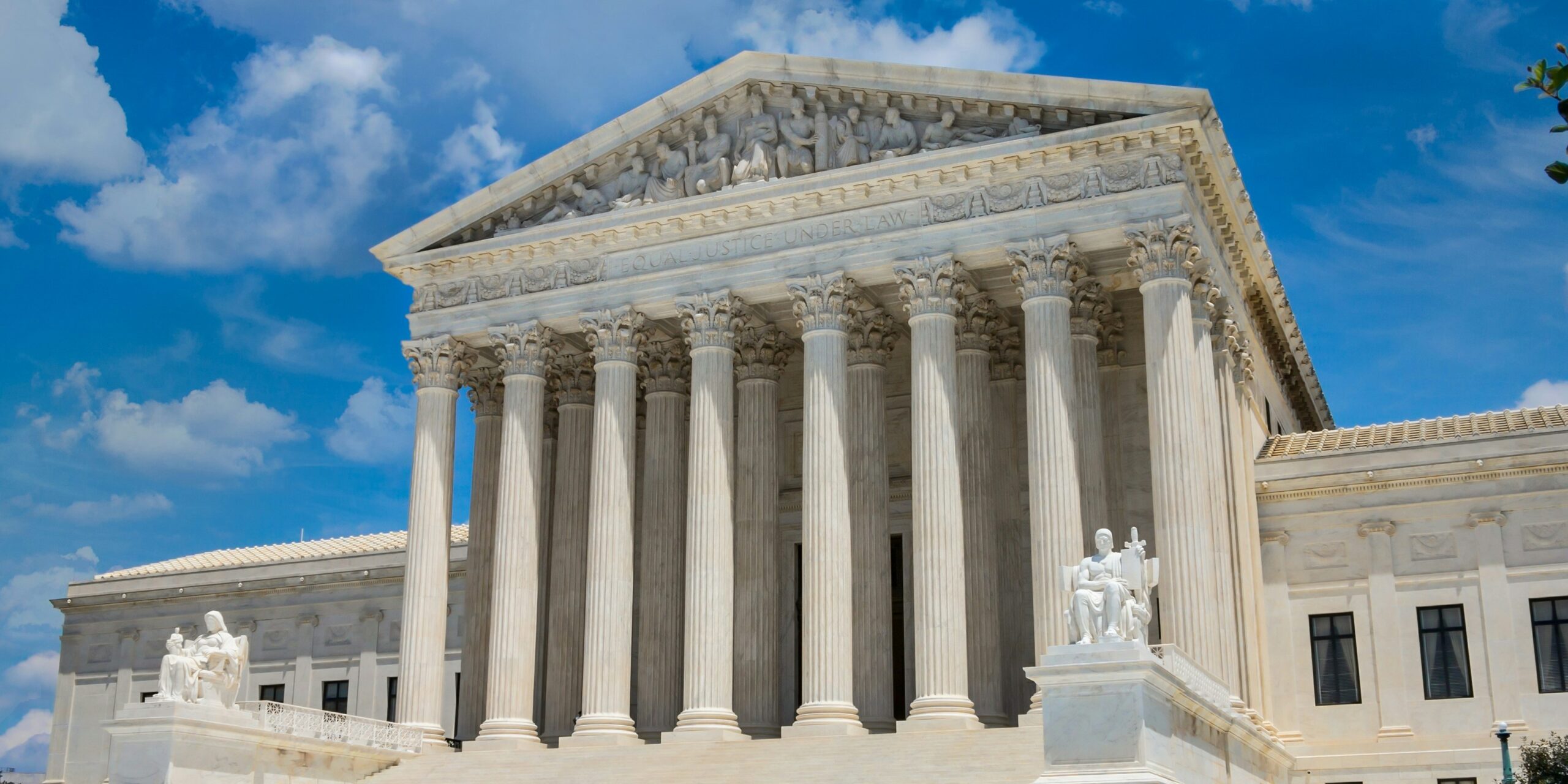
Previews for the 2025 October Term of the Supreme Court – November Sitting
As the 2025 Supreme Court Term continues, the Justices will hear arguments in numerous important cases, from the scope of governmental immunities to critical questions of procedure to capital punishment. This post previews key cases that will be argued in the November Sitting and later in the Term. Hencely v. Fluor Corporation No. 24-924, 4th... Read More
How Long Is Long Enough? Judicial Review of Agency Comment Periods
Rachel Layne 93 Geo. Wash. L. Rev. 1238 Federal agencies are granted discretion to shape their rulemaking procedures within the confines of the Administrative Procedure Act (“APA”). Although this flexibility is typically beneficial, it creates openings for agencies to use inadequate procedures that do not meaningfully engage the public, a fundamental purpose of the quasi-legislative... Read More
The Necessary and Proper Clause and the Law of Administration
Ilan Wurman 93 Geo. Wash. L. Rev. 1196 The Necessary and Proper Clause authorizes Congress to establish and shape the administrative state. But the Necessary and Proper Clause is rarely cited in the relevant Supreme Court opinions or litigant briefs. This is a mistake. In several of the Court’s recent prominent cases, the Necessary and... Read More
Administrative Law as a Choice of Business Strategy: Comparing the Industries Who Have Routinely Sued Their Regulators with the Industries Who Rarely Have
Nicholas R. Parrillo 93 Geo. Wash. L. Rev. 1031 For some large and powerful industries, it has long been normal and even routine for businesses to sue their federal regulator. For other large and powerful industries, it has been rare for the last twenty-five to forty years or more. This variation is enormous yet almost... Read More
Presidential Brokering in the Regulatory State
Jennifer Nou 93 Geo. Wash. L. Rev. 971 Presidents seeking to make regulatory policy face formidable hurdles—most recently, heightened litigation risk, reduced judicial deference, and political polarization. In response, they have increasingly relied upon the Executive Office of the President (“EOP”) to manage these challenges. This Foreword spotlights the practice of presidential brokering, a structured... Read More
The Historical Boundaries of Corporate Political Rights
Jack Raineri 93 Geo. Wash. L. Rev. Arguendo 118 In 2010, the Supreme Court decided Citizens United v. FEC and in so doing unleashed a flood of corporate dollars into the United States electoral system. This Note argues first that the consequences of Citizens United have been disastrous and that the Court should overrule the... Read More
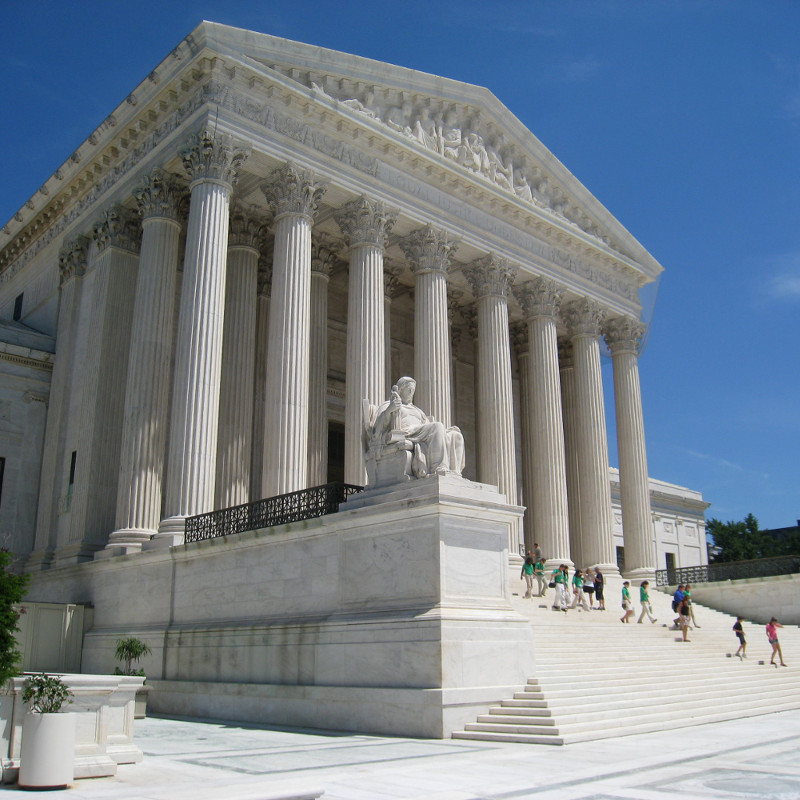
Previews for the 2025 October Term of the Supreme Court – October Sitting
As the 2025 Supreme Court Term begins, the Justices face a number of critically important cases, from criminal law to election procedure and beyond. This post previews key cases that will be argued in the October Sitting and later in the Term. Stay tuned for additional case Previews and Responses as the Term progresses. Berk... Read More
Paying to Pay: Poverty Penalties for the Collection of Criminal Justice Debt
Jordan Morris 93 Geo. Wash. L. Rev. Arguendo 87 The 1983 Supreme Court case Bearden v. Georgia held unconstitutional the practice of jailing defendants for nonpayment of court-mandated legal debt without first determining that the nonpayment was willful. For those buried under criminal justice debt and unable to pay, the holding in Bearden functions as... Read More